
Tape-in hair extensions are one of the most popular semi-permanent extension methods on the market — but they also generate the most buyer returns and end-user complaints when care instructions are unclear. Poor maintenance shortens the lifespan, damages the fiber, and weakens the adhesive bond. The good news? Most of this damage is completely preventable.
Tape-in hair extension maintenance comes down to four core habits: keeping conditioner away from the roots, washing less frequently than you would natural hair, using sulfate-free and alcohol-free products, and staying within safe heat limits. Follow these rules consistently, and your tape-in extensions can last six to eight weeks or longer between reapplication appointments. [Author note: Please verify this timeframe against your product specs.]
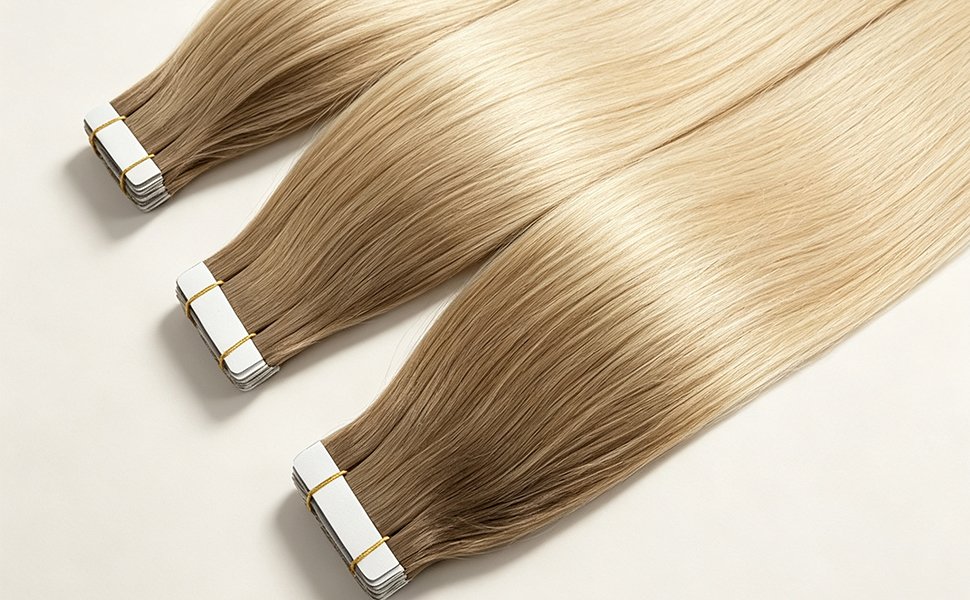
Understanding why each rule exists makes it far easier to follow — and far easier to pass on to customers as useful guidance. Let's work through each area in detail.
Do's and Don'ts of Tape-In Hair Extensions
Many consumers approach tape-in extension care the same way they approach natural hair care. That assumption is the root of most damage we see in returned products.
The core rule is this: tape-in extensions have an adhesive bond at the root that natural hair does not. Every product you apply and every habit you maintain either protects or undermines that bond. The fiber itself also has a coating applied during manufacturing that behaves differently from untreated human hair.
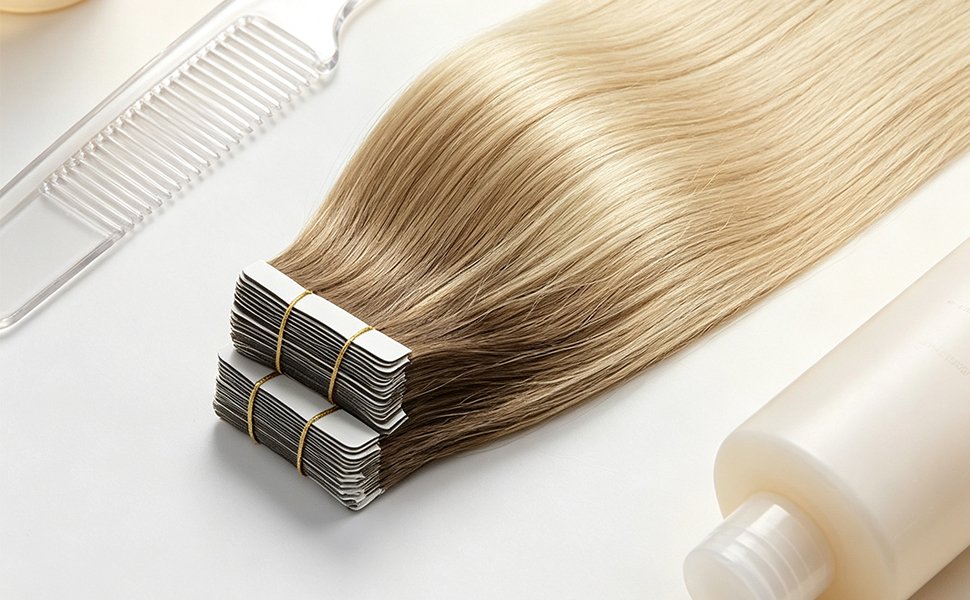
Here is a clear, practical breakdown of what to do — and what to avoid — if you want your extensions to last.
The Non-Negotiable Do's
Brush gently and start from the ends.
Always detangle from the tips upward toward the roots. Use a soft-bristle or loop brush. Pulling from the root downward creates tension directly on the tape bond, which loosens it over time. This is a simple habit, but it protects both the adhesive and the fiber structure.
Wash in a downward motion.
When washing, let water run from root to tip — not the reverse. Scrubbing or flipping hair upside down agitates the tape seams and allows water and product to penetrate the bond area.
Dry the root area thoroughly after washing.
Moisture trapped around the tape bonds creates a weakened adhesive layer over time. Use a blow-dryer on a low or medium setting to dry the root area completely before air-drying the lengths.
Sleep with hair in a loose braid or ponytail.
Friction against a pillow — especially cotton — causes tangling at the tape seams. A silk or satin pillowcase reduces that friction significantly. A loose braid keeps the hair from wrapping around itself during sleep.
Use a sulfate-free, alcohol-free shampoo.
This is not vague advice. Sulfates are surfactants that break down the adhesive layer in tape bonds. Alcohol-based products have the same effect. Check the ingredient list on any shampoo or styling product before use. If sodium lauryl sulfate (SLS), sodium laureth sulfate (SLES), or any form of denatured alcohol appears near the top of the ingredient list, avoid it.
The Hard Don'ts
Do not apply conditioner to the root area.
This is the single most common cause of premature bond failure that we trace through returned product analysis. Conditioners — particularly those containing heavy silicones or oils — coat the adhesive surface and prevent it from gripping the natural hair. Apply conditioner only from the mid-length down to the tips.
Do not use oil-based serums or treatments near the tape bonds.
Argan oil, coconut oil, and similar products are popular for hair care, but they dissolve tape adhesives. Keep all oil-based products at least two to three inches below the tape seams.
Do not use products containing sulfates or high-concentration alcohol near the bonds.
Many mainstream drugstore shampoos, dry shampoos, and styling sprays contain these ingredients. Read labels carefully. A buyer we worked with reported consistent end-user slippage complaints — after reviewing the products their customers were using, the cause was traced to a sulfate-heavy drugstore shampoo used daily.
Do not pull or pick at the tape seams.
If a bond begins to loosen, have it re-taped professionally. Pulling at the seam damages both the extension weft and the natural hair.
Do not skip heat protection.
Every time heat styling tools contact the hair without a protectant, the fiber coating degrades. This is covered in more detail in the section on keeping extensions soft and silky.
Here is a quick reference table for product ingredients:
| Ingredient Category | Safe or Avoid? | Why It Matters |
|---|---|---|
| Sodium Lauryl Sulfate (SLS) | Avoid | Breaks down tape adhesive |
| Sodium Laureth Sulfate (SLES) | Avoid | Same mechanism as SLS |
| Denatured alcohol | Avoid | Dries adhesive and fiber coating |
| Silicones near roots | Avoid | Coats adhesive, causes slippage |
| Heavy oils near tape area | Avoid | Dissolves adhesive bond |
| Sulfate-free surfactants | ✓ Safe | Cleans without damaging bond |
| Lightweight leave-in (mid-lengths only) | ✓ Safe | Conditions fiber without touching bond |
How Long Will Tape-In Hair Extensions Last?
Buyers frequently ask us about tape-in extension lifespan before they place wholesale orders. The honest answer is that lifespan is more dependent on end-user behavior than on product quality alone.
With correct care, tape-in extensions typically last six to eight weeks before the bonds need to be removed and reapplied. The wefts themselves — if undamaged — can be reused for multiple application cycles. [Author note: Verify reuse cycle count against your product specifications.]
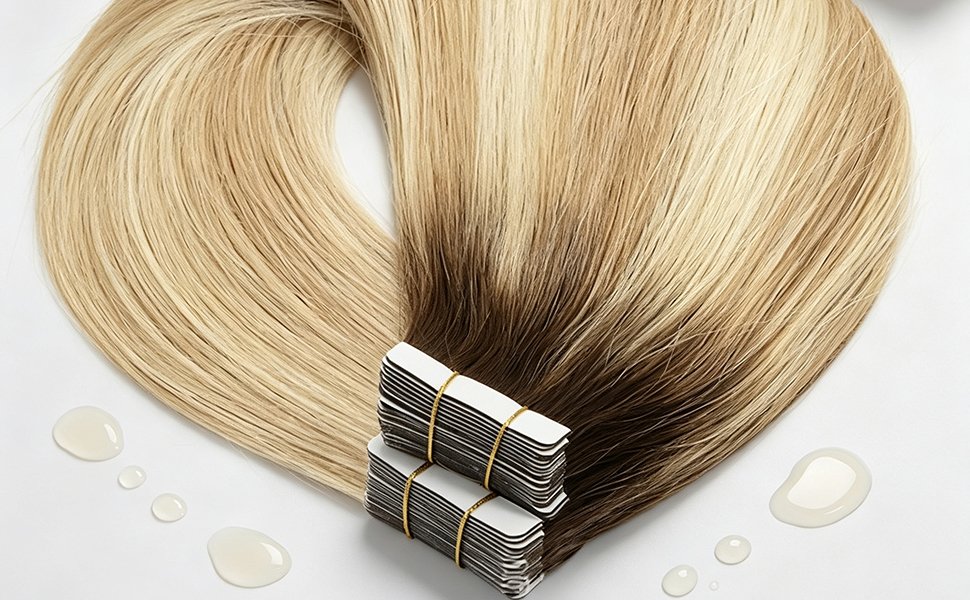
But those numbers assume proper care. When care is inconsistent, we see bond failure in as little as two to three weeks — and the damage patterns in returned products tell a clear story.
What Shortens Tape-In Extension Lifespan
Washing frequency.
Natural hair care logic says: wash more often for cleaner, healthier hair. For tape-in extensions, the opposite is true. Every wash cycle exposes the adhesive bond to water, surfactants, and mechanical friction. Over-washing accelerates bond degradation. For most wearers, two to three washes per week is appropriate — not daily washing. [Author note: Adjust this frequency recommendation based on your product testing data.]
Product buildup near the bonds.
When conditioners, serums, or styling products migrate toward the root area over time, they create a slow accumulation that gradually weakens the adhesive grip. This is why product placement is as important as product selection.
Heat exposure without protection.
Repeated high-heat styling — flat irons above 180°C (356°F), for example — degrades the fiber coating applied during manufacturing. Once that coating breaks down, the hair becomes dry and prone to tangling, which increases mechanical stress on the bond. [Author note: Verify the maximum safe heat temperature for your specific product line.]
Chemical treatments.
Bleaching, toning, or applying chemical relaxers to tape-in extensions is high-risk and frequently cited in buyer return communications as a cause of both fiber damage and bond failure. If chemical processing is required, it should be done by a professional who understands the limits of the specific product.
What Preserves Lifespan
- Following the washing frequency guideline above
- Brushing gently twice daily to prevent matting
- Drying the bond area completely after every wash
- Using only sulfate-free, alcohol-free products
- Having extensions professionally re-taped at the recommended interval rather than waiting until full slippage
The weft itself, when properly maintained, can often be reused across multiple reapplication sessions. This is a meaningful value argument for end consumers — and a product quality point that buyers can communicate at retail.
How Do I Keep My Extensions Soft and Silky?
This question comes up consistently in buyer communications, often framed as: "My customers are saying the hair gets dry and rough after a few weeks — is this a product quality issue?"
In most cases, it is not. Dryness and texture change in tape-in extensions are almost always the result of heat damage, product stripping, or insufficient moisture maintenance of the fiber.
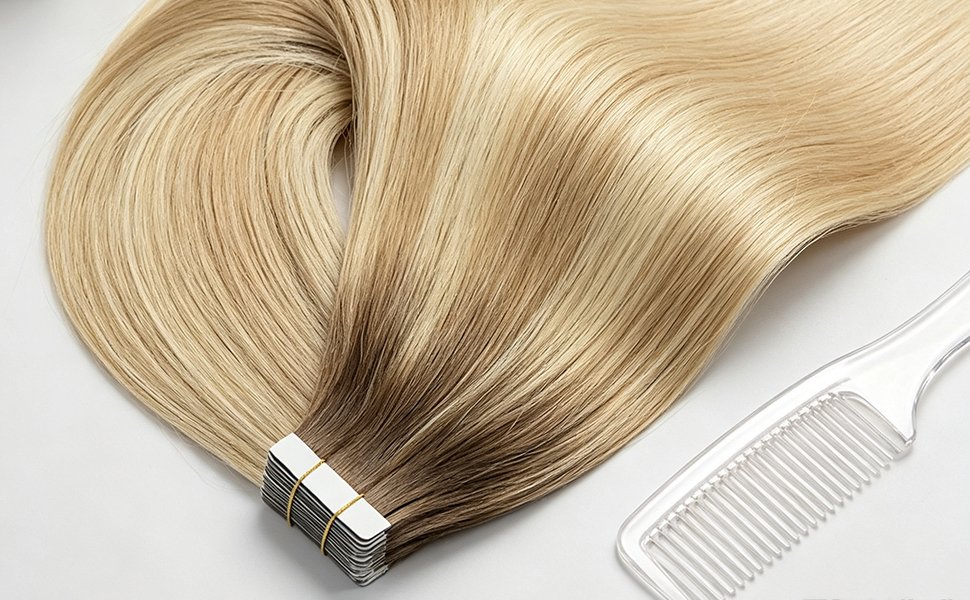
The fiber in tape-in extensions — even 100% human hair — behaves differently from hair that is still attached to a living scalp. The scalp produces natural sebum that conditions hair continuously. Extensions do not receive that supply. This means the fiber requires intentional moisture maintenance to stay soft.
Understanding the Fiber Coating
During manufacturing, hair fiber — whether human or blended — is processed and treated with a coating that preserves softness, reduces tangling, and gives the hair its initial silky appearance. That coating is not permanent. It degrades with:
- Heat styling above the recommended temperature threshold
- Exposure to sulfates and alcohols
- Mechanical friction from rough handling
- UV exposure over extended wear periods
Once the coating begins to break down, the hair feels rougher and appears duller. This process is largely irreversible — which is why prevention matters far more than remediation.
Practical Steps to Maintain Softness
Step 1: Use heat styling tools at the correct temperature.
The safe heat range for tape-in extensions is typically lower than what many consumers use on natural hair. A common mistake is applying a flat iron at 220–230°C, which is a temperature many irons default to. For extensions, staying at or below 180°C is generally recommended. [Author note: Confirm the exact safe temperature for your product line and update this figure accordingly.] Always apply a heat protectant spray before any heat styling.
Step 2: Apply a lightweight leave-in conditioner to mid-lengths and ends.
Choose a product that is silicone-free or uses water-soluble silicones. Avoid heavy, oil-based leave-in treatments. Apply from the mid-shaft to the tips only — never near the tape bonds.
Step 3: Do a weekly deep conditioning treatment on the lengths.
Once a week, apply a moisturizing mask or deep conditioner to the lengths of the extensions. Leave it on for five to ten minutes, then rinse thoroughly. This replaces some of the moisture lost during washing and heat styling.
Step 4: Protect the hair from environmental stressors.
Saltwater, chlorine, and prolonged sun exposure all accelerate fiber degradation. Before swimming, braid or secure the extensions. After swimming in salt or chlorinated water, rinse and condition the hair immediately. Consider a UV-protective hair product for extended outdoor wear.
Step 5: Brush consistently with the right tool.
Use a soft-bristle brush or a loop brush designed for extensions. Brush at least twice daily — morning and evening. Regular, gentle brushing prevents matting at the tape seams, which is one of the most common causes of rough texture and tangling.
A Pattern We See in Returns
Returns we've analyzed where buyers described the complaint as "the hair went rough and frizzy" almost always share one or more of the following reported behaviors:
- Daily washing with a sulfate-containing shampoo
- Flat iron use at high temperatures without heat protection
- No moisture maintenance between washes
- Conditioner applied to the full length including the roots
None of these issues are product defects. They are care failures — and they are entirely preventable with clear, specific instructions provided at the point of sale.
Frequently Asked Questions
Can I dye or bleach my tape-in hair extensions?
Chemical treatments such as bleaching or dyeing can damage the fiber coating and weaken the adhesive bond. If coloring is necessary, have it done by a professional experienced with extensions, and test a small section first. Avoid bleaching entirely if possible, as it causes irreversible fiber damage in most cases.
Can I swim with tape-in hair extensions?
Swimming is possible, but precautions are necessary. Braid or secure the extensions before entering the water. Rinse the hair thoroughly immediately after swimming to remove chlorine or salt. Apply a light conditioner to the lengths and dry the bond area completely. Repeated unprotected swimming significantly shortens the adhesive bond lifespan.
How often should I brush my tape-in extensions?
Brush gently at least twice a day — once in the morning and once before bed. Always start from the tips and work upward. Regular brushing prevents matting near the tape seams, which is a leading cause of tangling and premature bond stress.
Why are my tape-in extensions slipping out?
Slippage is almost always caused by one of four things: conditioner or oil applied near the root, sulfate-based shampoo use, over-washing, or a product with high alcohol content. If bonds are slipping before the six-to-eight-week mark, review the products and habits listed above before attributing the issue to adhesive quality.
Can tape-in extensions be reused after removal?
Yes, in most cases, the weft can be reused for multiple application cycles if it has been handled carefully, stored correctly, and has not been chemically treated. Have a professional perform the removal and re-taping to preserve both the weft and the adhesive tabs.
Conclusion
Proper hair extension maintenance is not complicated, but it is specific. Tape-in extensions require a different approach than natural hair — particularly around the adhesive bond, product selection, washing frequency, and heat use. Following the guidelines in this article protects both the bond and the fiber, and extends the usable life of the extensions significantly.
The most important takeaways: keep conditioner and oils away from the roots, wash two to three times per week with sulfate-free products, stay within safe heat limits, and treat the fiber with consistent, gentle moisture maintenance. Most premature damage we trace through product returns points back to one or more of these four areas.
If you are a brand owner or distributor sourcing tape-in extensions, consider attaching a simplified version of these guidelines to your retail packaging. Clear care instructions reduce returns, protect your brand reputation, and give end customers a better experience with every set. For sourcing inquiries or product specification questions, contact Xpertric at info@xpertric.com or visit www.xpertric.com.