
Tape adhesive type is one of the most overlooked sourcing decisions in the tape-in hair extension business. Buyers spend weeks comparing hair quality, pricing, and lead times — then treat the adhesive as a minor detail. That assumption generates returns, complaints, and lost accounts. Understanding the different types of tape adhesive is the starting point for getting this right.
Tape adhesives for hair extensions fall into two primary categories by formulation — acrylic-based and silicone-based — and two categories by reuse behavior: single-use and reusable. Within those categories, hold strength varies from standard/original to sensitive/gentle. Each combination maps to a specific market, service model, and hair type. Choosing the wrong type for your distribution channel is a direct driver of end-user complaints that get blamed on product quality, not adhesive specification.
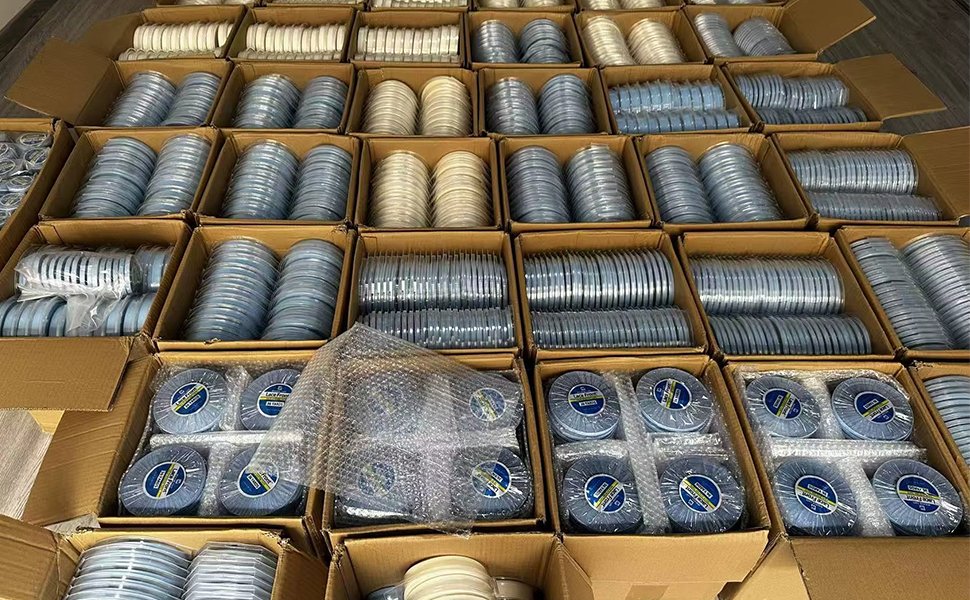
Most sourcing buyers reading this are not chemists. You don't need to be. What you do need is a clear framework: which adhesive type fits your market, your customer's scalp profile, and your reseller's service model. The sections below break that down with direct reference to what we observe across our production testing and export markets.
What Are the Most Common Types of Adhesives for Hair Extensions?
Buyers who don't specify adhesive type are leaving a critical variable up to their supplier. Most suppliers default to whatever they stock at volume. That is not a quality decision — it is an inventory decision, and it may not match your market.
The most common adhesive types used in tape-in hair extensions are: standard acrylic adhesive (strong hold), gentle/sensitive acrylic adhesive (low-irritant hold), and silicone-based adhesive (flexible, skin-contact-friendly hold). Most tape-in extensions on the market use an acrylic-based formulation. Silicone-based options are less common but increasingly requested in European and Japanese markets where scalp sensitivity is a documented buyer concern.
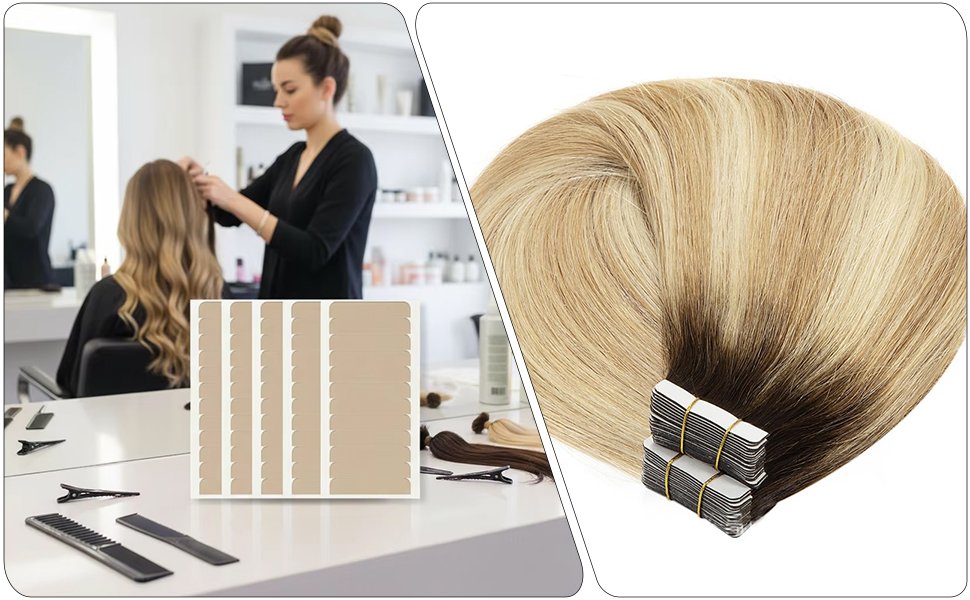
Understanding these categories at a functional level — not a chemical one — gives you the language to specify correctly when talking to a supplier. Here is what that looks like in practice.
Acrylic-Based Adhesive: The Industry Standard
Acrylic adhesive is the dominant formulation in tape-in hair extensions globally. In our production experience, the majority of tape-in SKUs shipped to US, European, and South American markets use some form of acrylic-based tape. It is cost-effective, available in a range of hold strengths, and compatible with most human hair types.
Within acrylic adhesive, two sub-types matter most for sourcing decisions:
Standard (Original/Strong) Acrylic Adhesive
- Hold duration: In our testing, standard acrylic adhesive maintains reliable hold for 4–8 weeks under regular washing and styling conditions on medium-to-coarse hair.
- Removal behavior: Requires a dedicated adhesive remover. Without proper removal product, detachment can cause mechanical stress on the hair strand.
- Best fit: Buyers supplying professional salon channels where trained technicians handle both application and removal.
- Risk profile: Not appropriate for fine or color-treated hair without verified compatibility testing. Aggressive hold on fragile strands increases the chance of strand breakage at the attachment point.
Gentle/Sensitive Acrylic Adhesive
- Hold duration: In our testing, sensitive-formula acrylic holds for 3–6 weeks — shorter duration, but meaningful in markets where end users wash hair more frequently or have finer hair textures.
- Removal behavior: Releases more cleanly with standard remover solutions. We observe significantly less strand damage during detachment on fine and chemically treated hair compared to standard-strength formulations.
- Best fit: Buyers targeting consumers with sensitive scalps, fine hair, or allergy-aware demographics — particularly in parts of Europe, Japan, and the premium US market.
- Risk profile: In high-humidity environments or with frequent product buildup, hold duration can drop below acceptable thresholds. This is a real-world consideration for buyers in Southeast Asian export markets or humid US climates.
Silicone-Based Adhesive: The Emerging Alternative
Silicone-based adhesive occupies a smaller but growing share of the tape-in market. Its main characteristics are a more flexible bond, reduced skin contact reactivity compared to standard acrylic, and a different removal profile.
| Property | Acrylic (Standard) | Acrylic (Sensitive) | Silicone-Based |
|---|---|---|---|
| Typical hold duration | 4–8 weeks | 3–6 weeks | 3–5 weeks |
| Removal difficulty | Moderate–High | Low–Moderate | Low |
| Strand damage risk (fine hair) | Higher | Moderate | Lower |
| Cost per unit | Low | Low–Moderate | Higher |
| Market fit | Salon professional | Sensitive/fine hair | Premium, EU/Japan |
| Reuse compatibility | Limited | Limited | Better |
Silicone adhesive is not widely available across standard factory stock. If your target market — particularly regulated markets in the EU — is moving toward ingredient-level scrutiny, silicone-based adhesive is worth specifying and verifying at the supplier level. Note: terms like "hypoallergenic" or "non-irritant" require certification evidence before you use them in product marketing. Request documentation and verify it independently before making any such claims in your channel.
Single-Use vs. Reusable Adhesive: A Business Model Decision
This distinction is frequently misunderstood as a performance specification when it is actually a service model specification.
Single-use adhesive is optimized for a clean initial install. The bond is calibrated for one application cycle. After removal, the adhesive residue is cleared and fresh tape is applied for reinstallation.
Reusable adhesive is formulated to maintain repositionable tack through one or more removal-and-reapplication cycles without significant bond degradation.
The sourcing implication is direct:
- Salon buyers offering reapplication services need reusable adhesive or a clear protocol for retaping with replacement tape strips. If you supply them single-use adhesive without flagging this, you will get complaints about adhesive failure at the second application — and the salon will blame the product, not the specification mismatch.
- Retail and DTC-oriented distributors can work with single-use adhesive because their end customer is typically doing a fresh install each time.
- Brand owners building a service-based product line should specify reusable adhesive and confirm in-house testing data on reapplication hold performance.
We flag this distinction to every new buyer at Xpertric because it is the most common source of post-shipment dissatisfaction that has nothing to do with hair quality.
Which Adhesive Tape for Hair Extensions Is the Best?
"Best" adhesive is a question that cannot be answered without knowing the buyer's market. Asking which adhesive tape for hair extensions is the best without context is like asking which vehicle is best without specifying whether you're transporting cargo or racing.
There is no single best adhesive tape for hair extensions. The correct adhesive type depends on three variables: your end customer's hair type and scalp sensitivity, your distribution channel's service model (professional salon vs. retail), and the regulatory environment of your target market. Matching adhesive type to these three factors is what separates a well-specified product from a liability.
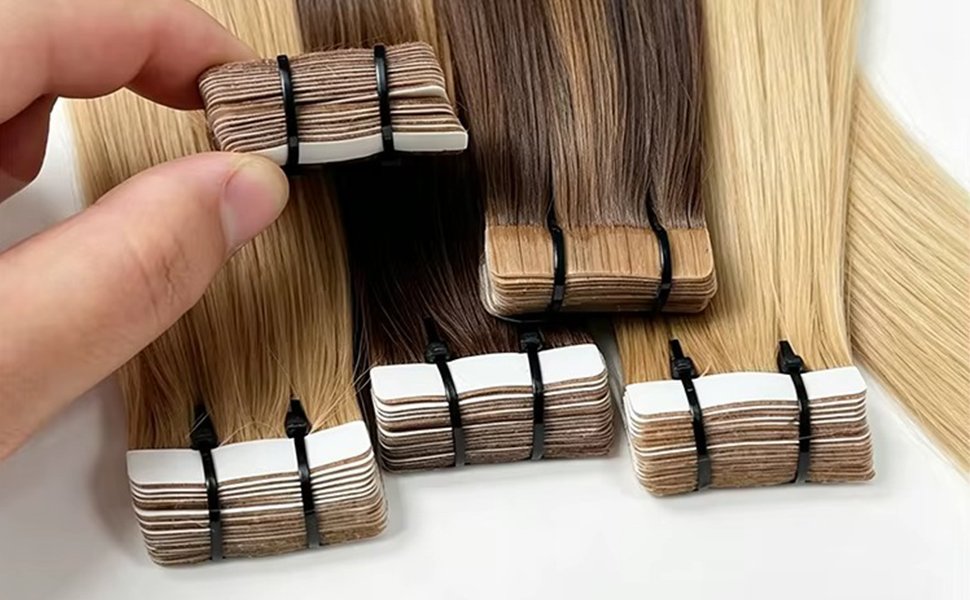
Here is the directional guidance that most generic articles avoid giving.
If Your Market Is Professional Salons in the US
Standard acrylic adhesive is your most defensible choice. Salon technicians are trained to apply and remove tape-in extensions correctly. They have access to professional remover solutions. The 4–8 week hold duration aligns with a standard reapplication service schedule at 6–8 weeks.
The caveat: if the salon serves a clientele with fine, color-treated, or chemically processed hair — which is common in premium urban US salons — you should either offer a sensitive-formula acrylic option or test standard adhesive specifically against color-treated hair samples before committing to a SKU.
In our production testing, the single most consistent driver of strand breakage at detachment is applying standard-strength adhesive to fine or chemically weakened hair. That outcome lands as a product complaint. The fix is a different adhesive specification, not a different hair grade.
If Your Market Is European or Japanese Retail Channels
Sensitive acrylic or silicone-based adhesive is the more defensible specification. European and Japanese consumers index higher for skin and scalp sensitivity awareness. Regulatory scrutiny of cosmetic product ingredients is also more active in the EU compared to the US.
Beyond compliance, the consumer behavior matters: European and Japanese end users are more likely to conduct their own ingredient research, and claims that appear on product packaging face a higher expectation of documentation. Before listing any adhesive-related claims on your branded product, request certification from your supplier and verify it through an independent body.
From a hold performance standpoint, the 3–6 week range delivered by sensitive acrylic aligns well with the typical European consumer wearing cycle before a return visit to a salon or stylist.
If Your Model Is Wholesale to Resellers Who Rebrand
Your adhesive specification decision has downstream brand implications you cannot control once the product leaves your warehouse. Resellers will rebrand the product and sell it under their own label. If the adhesive generates complaints, those complaints land on their brand — and they will trace the issue back to you at the next sourcing cycle.
The risk-adjusted approach here is to default to sensitive/gentle acrylic unless your buyer explicitly specifies otherwise, supply product data sheets that include adhesive type, and document your in-house testing results so your buyer has something to show their own QA team.
This is where factory-level adhesive expertise becomes a real differentiator. Most price-driven suppliers cannot explain why they selected a particular adhesive for a particular SKU. When we can map adhesive type to expected outcomes for a specific hair type and market, that is a sourcing signal that reduces risk for the buyer — not just a marketing claim.
A Quick Selection Framework
| Buyer Scenario | Recommended Adhesive Type | Hold Priority | Key Risk to Avoid |
|---|---|---|---|
| US professional salon, mixed hair types | Standard acrylic | 6–8 weeks | Strand damage on fine/treated hair |
| US salon, fine or color-treated hair | Sensitive acrylic | 4–6 weeks | Over-bonding on fragile strands |
| EU retail, sensitive-scalp positioning | Sensitive acrylic or silicone | 3–5 weeks | Unverified ingredient claims |
| Japan retail, premium market | Silicone-based | 3–5 weeks | Adhesive residue on fine hair |
| Wholesale/rebrand, mixed markets | Sensitive acrylic (default) | 4–6 weeks | Post-rebrand complaint attribution |
| Salon offering reapplication service | Reusable adhesive + retape system | Varies | Single-use bond failure at re-app |
Frequently Asked Questions
How long does tape-in hair extension adhesive typically last?
Standard acrylic adhesive holds for roughly 4–8 weeks under regular washing and styling. Sensitive or gentle formulas typically hold for 3–6 weeks. Actual duration varies by hair type, washing frequency, product buildup, and climate. Buyers should request in-house testing data from their supplier rather than relying on general claims.
What is the difference between reusable and single-use tape adhesive?
Single-use adhesive is calibrated for one clean application cycle and must be replaced with fresh tape at reinstallation. Reusable adhesive maintains repositionable tack through one or more removal and reapplication cycles. The correct choice depends on whether your distribution channel offers a reapplication service or sells to end users doing single installs.
Is silicone-based adhesive safer than acrylic for sensitive scalps?
Silicone-based adhesive generally has a different skin-contact profile compared to acrylic formulations and is less commonly associated with scalp sensitivity reactions in our production experience. However, no adhesive type should be marketed as "hypoallergenic" or "non-irritant" without independent certification supporting that claim. Buyers should request documentation and verify it before making any such label claims.
Can I use the same adhesive tape for all hair types?
No. Standard-strength acrylic adhesive is not appropriate for fine, color-treated, or chemically processed hair without compatibility testing. Using a high-hold adhesive on fragile hair increases the risk of strand breakage at detachment. Specify adhesive type based on the hair profile your end customer is most likely to have.
How do I verify the adhesive type my supplier is actually using?
Request a product data sheet or material specification document that identifies the adhesive formulation. Ask for any available third-party testing or certification. If a supplier cannot provide documentation on adhesive type, treat that as a quality signal — it means adhesive selection is not part of their controlled production process.
Conclusion
Tape adhesive type is a sourcing decision with direct consequences for end-user satisfaction, return rates, and brand reputation. The different types of tape adhesive — standard acrylic, sensitive acrylic, silicone-based, single-use, and reusable — each map to a specific market, hair type, and service model. Treating them as interchangeable is how preventable complaints get generated. As a manufacturer with over 10 years of production experience and in-house adhesive testing, Xpertric helps buyers specify the right adhesive type for their market before the order is placed — not after the complaints come in.
If you are sourcing tape-in hair extensions and want to confirm which adhesive specification fits your distribution channel, contact Sheilla at info@xpertric.com or visit www.xpertric.com to discuss your requirements directly.