
You've probably spent hours browsing Alibaba, comparing prices, and wondering if that Gold Supplier badge actually means anything. The truth is, most buyers waste time evaluating the wrong things. They focus on price and platform rankings instead of the operational realities that determine whether your order arrives on time, meets quality standards, and doesn't cause compliance nightmares in your market.
Finding a reliable hair extension manufacturer in China isn't about choosing the factory with the most badges or the lowest quote. It's about identifying red flags early, asking the right questions, and verifying claims before you commit to a partnership. The manufacturers who pass these tests are the ones who won't leave you scrambling when your selling season arrives.
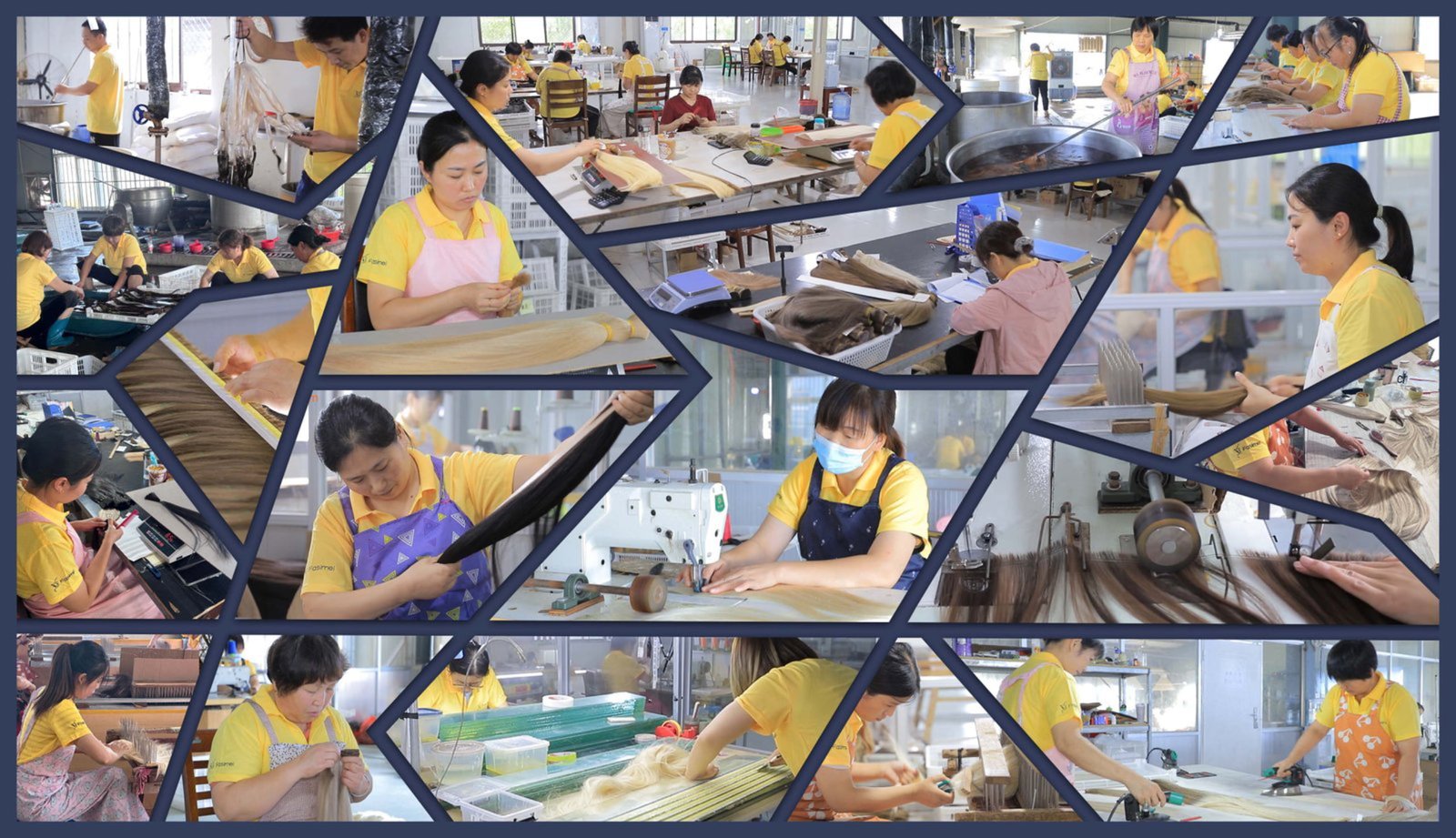
I've been on the receiving end of hundreds of buyer inquiries at Xpertric. I've seen the same mistakes repeat: buyers who accept certificates without verification, who don't understand why low MOQ custom orders aren't always possible, and who set unrealistic lead times because they don't know how production actually works. This article will walk you through the evaluation process that experienced buyers use—the one that focuses on factory capabilities, not marketing claims.
What Quality Control Standards Should You Expect from Tape-In Hair Extension Manufacturers?
You can't assume quality control exists just because a factory says it does. The factories that talk about "strict QC" in their Alibaba profiles are often the same ones that skip inspection steps when orders pile up. Real quality control isn't a claim—it's a documented process you can verify before placing an order.
Reliable manufacturers have at least three inspection checkpoints: raw material inspection when hair arrives, in-process checks during production, and final inspection before packaging. They should provide documentation for each checkpoint and allow third-party inspections if you request them.
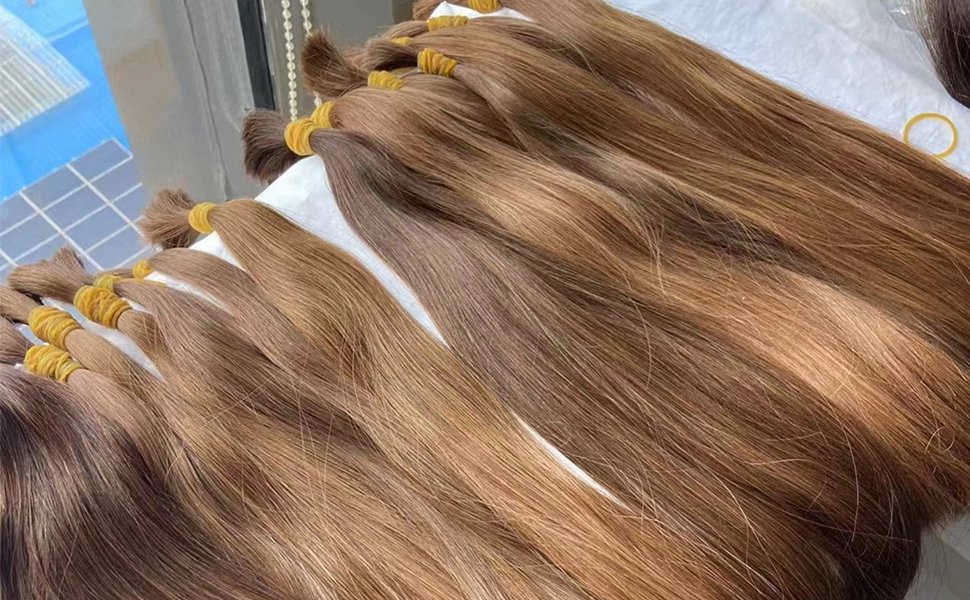
When I talk to buyers who've had quality problems with previous suppliers, the pattern is always the same. They never asked about specific QC procedures. They accepted vague promises about "high quality" without understanding what actually gets inspected. At Xpertric, we break down our QC process into measurable steps because experienced buyers want to know exactly what happens to their order. Here's what you should expect:
Raw Material Inspection Standards
The factory should inspect hair bundles when they arrive from suppliers. This means checking texture consistency, measuring hair length accuracy, and identifying damaged or chemically compromised hair. Factories that skip this step mix poor-quality hair into your order because they don't catch problems early. Ask the factory how they document raw material rejection rates. If they can't give you numbers, they probably don't track it.
In-Process Quality Checkpoints
During production, workers should check specific quality points at each stage. For tape-in extensions, this includes verifying adhesive bond strength, checking weft spacing consistency, and inspecting color matching under standard lighting. The factory should have rejection criteria for each checkpoint—not subjective opinions, but measurable standards. Ask for examples of rejected pieces and the reasons for rejection.
Final Inspection Protocols
Before packaging, every piece should go through final inspection. This catches defects that slipped through earlier stages. The factory should document defect types and rates. Experienced manufacturers track defect patterns to identify which production steps need improvement. You should ask for defect rate data from recent orders. Factories that refuse to share this information either don't track it or don't want you to see the numbers.
| QC Checkpoint | What Gets Inspected | Documentation You Should Request |
|---|---|---|
| Raw Material | Hair texture, length accuracy, chemical damage | Rejection rate reports, supplier quality records |
| In-Process | Adhesive strength, weft spacing, color matching | Stage-specific inspection records, rejection criteria |
| Final Inspection | Overall defect rate, packaging accuracy, labeling | Defect rate data, inspection certificates |
Certificate Verification Requirements
This is where many buyers get burned. Factories send PDF certificates that look legitimate but were never actually issued by the certifying body. You need to verify certificates directly with the issuing authority. For example, if a factory claims CE certification[^1], you should request the certificate number and contact the notified body that issued it. Don't accept a scanned document as proof. In our experience at Xpertric, buyers who skip certificate verification often discover compliance problems only after customs holds their shipment.
What Questions Should I Ask During Initial Contact with Suppliers?
Most buyers waste their first conversation with a supplier by asking about price before they understand capabilities. This signals inexperience. Factories assume you're a price shopper who won't become a serious customer. The buyers who get the best service ask operational questions first because they understand that price means nothing if the factory can't deliver.
Your first conversation should focus on three things: whether the factory can physically produce what you need, how they handle customization, and what their actual lead times are based on current orders. These questions reveal operational reality—not sales promises.
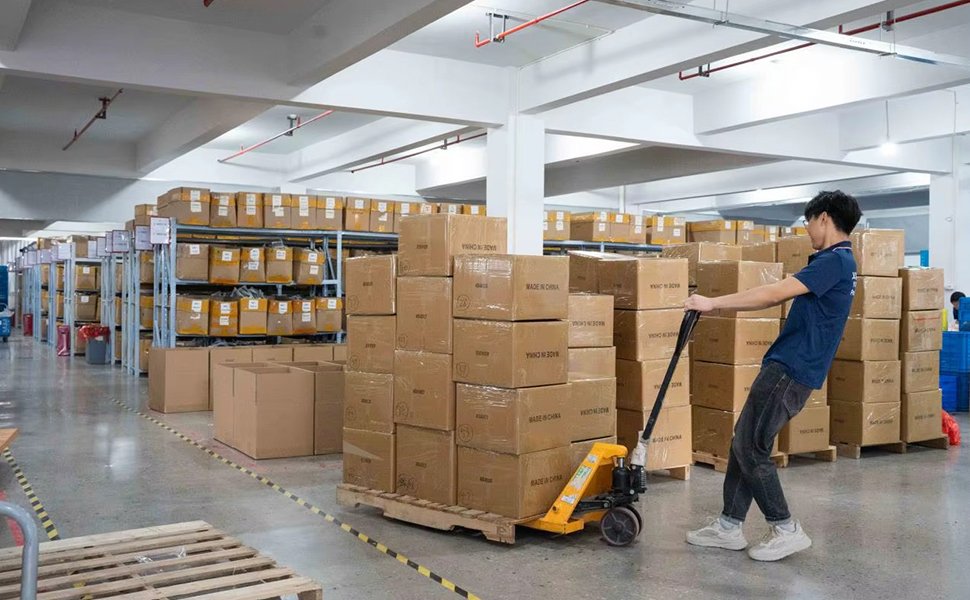
When I handle initial inquiries at Xpertric, I can immediately tell which buyers have sourced from China before. They don't start with "what's your best price?" They ask about production capacity, equipment limitations, and whether we can actually meet their specifications. Here's what you should ask in your first conversation:
Production Equipment and Capacity Questions
Ask what equipment they use for the specific product you need. For tape-in extensions, this means asking about tape application machines, cutting equipment, and packaging lines. Then ask about daily production capacity for that product type. Factories often list general production capacity on their website but can't handle specific product types at that volume. If you need custom packaging, ask if they have in-house printing equipment or use third-party printers. This affects both cost and lead time.
I've seen buyers request low MOQ orders with custom printed packaging without realizing that most factories use external printing services that have their own minimum orders. When a factory says they can do 50 pieces with custom packaging at a reasonable price, something doesn't add up. Ask directly how they handle small-batch customization.
Current Order Load and Scheduling
This question separates reliable factories from ones that will delay your order. Ask how many orders they're currently processing and where your order would fit in their production schedule. Factories that refuse to discuss current workload are either hiding capacity problems or don't actually manage production schedules. At Xpertric, we tell buyers upfront if we're approaching peak season because hiding this information just leads to disappointed customers later.
Customization Capabilities and Limitations
Don't assume the factory can customize everything. Ask specific questions about what they can and cannot customize. For example, can they apply your logo to individual tape-in pieces, or only to packaging? Can they adjust tape width to your specifications, or are they limited to standard sizes? These details determine whether the factory can actually deliver what you need. In my experience, factories that are upfront about limitations are more reliable than ones that say "yes" to everything.
How Should You Assess Production Capacity and Lead Time Management?
Unrealistic lead times are one of the biggest red flags in supplier conversations. When a factory promises delivery in half the time other factories quote, they're either lying or planning to rush your order through production without proper quality control. Experienced buyers know that lead time isn't just about production speed—it's about raw material availability, customization requirements, and current factory workload.
Lead time should be calculated from three components: raw material procurement time, actual production days, and buffer time for quality issues or customization adjustments. Factories that give you a single number without explaining these components are guessing or deliberately underestimating.
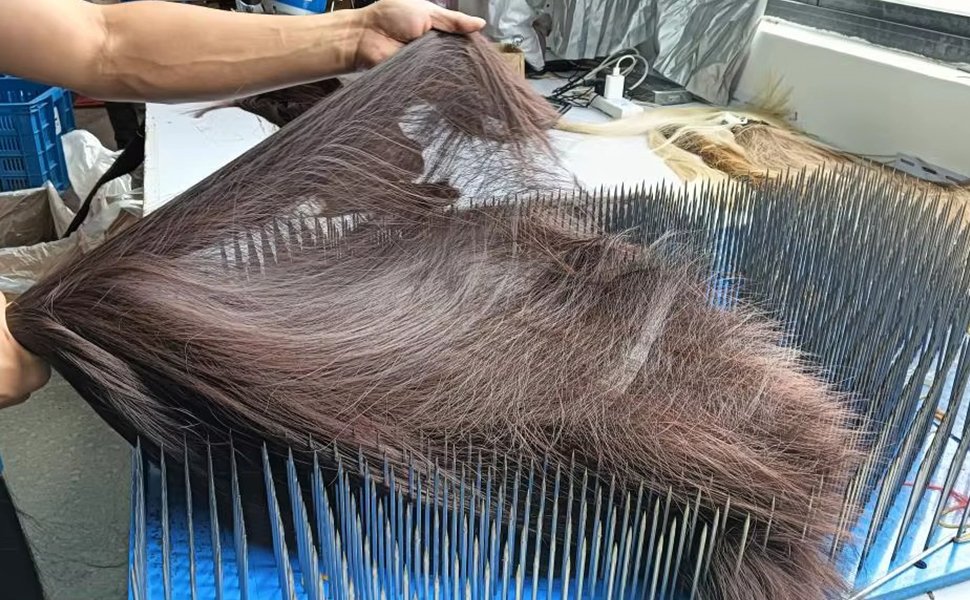
At Xpertric, we break down lead time for every inquiry because buyers need to understand what affects delivery dates. When I explain lead time to new buyers, they often realize their timeline expectations were based on assumptions that don't match manufacturing reality. Here's what actually determines lead time:
Raw Material Procurement Time
Most factories don't keep massive raw material inventory. When you place an order, they need to source the specific hair type, texture, and color you requested. This takes time. For standard colors and textures, procurement might take 5-7 days. For specific requirements—say you need platinum blonde Vietnamese hair—procurement can take 2-3 weeks because suppliers need to collect and process that specific type. Factories that promise fast delivery without asking about your hair specifications are either using whatever material they have on hand or haven't actually calculated realistic timelines.
Production Days Based on Order Volume
Production time isn't linear[^2]. A factory might produce 1000 pieces per day at standard capacity, but that doesn't mean 500 pieces takes half a day. Setup time, quality control, and machine configuration take the same amount of time regardless of order size. Small orders are actually less efficient. This is why MOQ exists—it's not arbitrary, it's based on the minimum volume that makes production economically feasible. When buyers push for unrealistically low MOQ, they should expect longer lead times or higher per-piece costs because the factory has to interrupt normal production flow.
Customization Time Requirements
Custom logos, special packaging, and non-standard specifications add time to every order. Custom printed packaging requires design approval, printing plate creation, and quality checks on printed materials. These steps happen before production even starts. If you need custom tape width or special adhesive types, the factory might need to order specific materials or adjust equipment settings. At Xpertric, we've had buyers request custom specifications and then complain about lead time without realizing their customization added 10-15 days to the standard timeline.
| Lead Time Component | Standard Timeline | What Extends It |
|---|---|---|
| Raw Material Procurement | 5-7 days | Unusual hair types, specific colors, custom textures |
| Production | 7-10 days for 1000+ pieces | Small order volumes, complex customization, machine setup changes |
| Quality Control & Packaging | 2-3 days | Custom packaging approval, additional inspection requirements |
| Buffer for Issues | 3-5 days | First-time orders, new specifications, seasonal demand peaks |
Seasonal Demand Impact on Capacity
Production capacity isn't constant. During peak seasons (typically spring and early summer when salons stock up), every factory's lead time increases. Buyers who don't account for seasonal demand often get caught with delayed orders that miss their selling season. When you contact a factory, ask about current seasonal demand and how it affects their lead time. Factories that are honest about capacity constraints during busy periods are the ones that won't leave you scrambling when orders are late.
What's the Proper Process for Requesting and Evaluating Samples?
Samples reveal more about a factory than any sales conversation. But most buyers evaluate samples wrong. They check if the hair looks good without testing the things that matter for actual use: how the adhesive holds up, whether color stays consistent after washing, and if the weft construction can handle repeated styling. Experienced buyers treat sample evaluation as a production preview, not just a quality check.
The proper sample process has three stages: initial sample to verify basic quality, washing and styling tests to check durability, and comparison with your current supplier's product to identify differences. Factories that rush sample evaluation or discourage testing usually have something to hide.
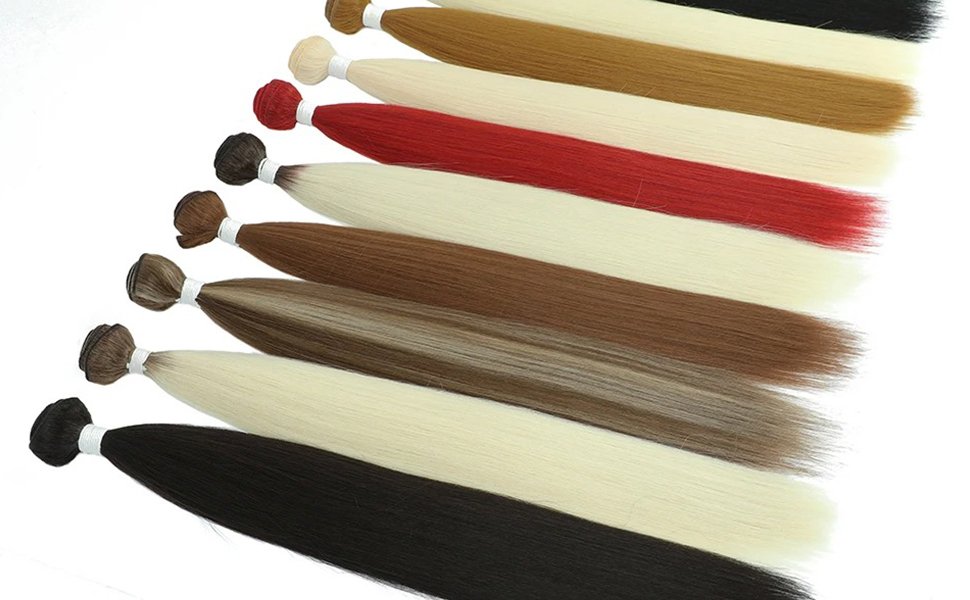
When buyers request samples from Xpertric, I walk them through testing procedures because many first-time importers don't know what to look for beyond visual inspection. Here's the evaluation process that catches quality problems before you commit to a bulk order:
Initial Sample Request Details
Don't just ask for "a sample." Specify exactly what you need: hair type, length, color, and any customization you plan for bulk orders. If you're ordering tape-ins, request samples with the same adhesive type you'll use in production. Some factories send samples made with higher-quality adhesive than they use for bulk orders. Ask directly if sample materials match bulk production materials. In my experience, factories that use different materials for samples than bulk orders are the ones buyers complain about later.
You should also ask about sample costs and shipping. Free samples often mean the factory uses cheap materials to minimize loss. Paid samples at reasonable prices usually reflect actual production quality. At Xpertric, we charge for samples but refund the cost when buyers place bulk orders because we want samples to accurately represent what they'll receive.
Durability Testing Procedures
This is where most buyers fail. They look at the sample and assume it represents quality. Real testing means subjecting samples to the conditions they'll face in actual use. Wash tape-in samples multiple times with standard sulfate-free shampoo. Check if adhesive strength decreases after washing. Style samples with heat tools at temperatures your customers will use. Check for tangling after blow drying and flat ironing. Compare color consistency between washed and unwashed samples—some factories use temporary coatings that wash out.
I've seen buyers skip durability testing and then complain when bulk orders don't perform like they expected. The factories didn't necessarily lie—the buyers just didn't test properly. At Xpertric, we tell buyers upfront what testing we do in our QC process so they know what to replicate during sample evaluation.
Comparative Analysis with Current Suppliers
If you're switching suppliers, you need to compare new samples directly with products from your current supplier. Put them side by side and check for differences in color accuracy, hair texture, and construction quality. Small differences in weft width or tape thickness might not seem significant during sample evaluation but can affect customer satisfaction. Ask your current supplier for their specifications (if you have a good relationship) and verify the new factory can match them.
This comparison also helps you understand price differences. If the new factory's price is significantly lower, the sample comparison reveals why. Maybe they use slightly lower-grade hair or thinner weft construction. These trade-offs might be acceptable depending on your market, but you need to identify them before placing a bulk order.
What Red Flags Should Alert You to Avoid Unreliable Hair Extension Suppliers?
Some warning signs are obvious—factories that won't provide contact information or refuse to answer questions about production processes. But experienced buyers watch for subtler red flags that indicate operational problems: factories that say "yes" to everything without discussing limitations, suppliers who quote unrealistically low prices without explaining trade-offs, and manufacturers who pressure you to place orders before you've completed evaluation.
The most reliable suppliers are the ones who tell you what they cannot do, not just what they can do. Factories that are transparent about limitations, explain price differences honestly, and respect your evaluation timeline are the ones that won't create problems after you've committed to a partnership.
At Xpertric, we lose some inquiries because we're honest about what we can't do. When a buyer asks for something outside our capabilities—maybe a customization that requires equipment we don't have—I tell them directly instead of pretending we can handle it. The buyers who appreciate this honesty are the ones who become long-term customers. Here are the red flags you should watch for:
Lack of Operational Transparency
Factories that won't explain their production process or show you how they calculate lead times are hiding something. Reliable manufacturers explain operational details because they want you to understand realistic expectations. When I handle inquiries at Xpertric, I explain exactly why certain customizations add time or cost. This transparency sometimes means losing price-focused buyers, but it prevents misunderstandings later. If a factory refuses to discuss current order load, production capacity, or raw material sourcing, they're probably overcommitted or disorganized.
Unrealistic Promises and Overcommitment
When a factory promises everything you ask for without discussing trade-offs or limitations, they're either inexperienced or planning to disappoint you later. Real manufacturing involves constraints: equipment limitations, raw material availability, production capacity during peak seasons. Factories that acknowledge these constraints upfront are the ones who deliver on promises. Watch out for suppliers who quote lead times significantly shorter than competitors without explaining how they achieve it, or who claim they can handle any customization regardless of order volume.
Certificate and Compliance Red Flags
This is where buyers get into serious trouble. Factories that resist certificate verification, send only PDF copies without certificate numbers, or claim they "can get" certifications they don't currently have are setting you up for compliance problems. Always verify certificates directly with issuing authorities. Ask for certificate numbers and contact information for the certifying body. At Xpertric, we provide certificate numbers and issuing authority contact information because we know experienced buyers verify independently. Factories that pressure you to accept certificates without verification are hiding something.
Poor Communication Patterns
Communication quality predicts future problems. Factories that take days to respond to simple questions, give vague answers instead of specific details, or frequently misunderstand your requirements will create bigger problems during production. Watch for inconsistent information between different sales representatives at the same factory—this indicates poor internal communication, which usually means production issues. Reliable manufacturers respond promptly with specific answers and confirm details in writing to prevent misunderstandings.
| Red Flag Category | Warning Signs | What It Indicates |
|---|---|---|
| Operational Transparency | Won't explain production process, refuses capacity details | Disorganized operations, overcommitment |
| Promise Realism | Says yes to everything, quotes unrealistic lead times | Inexperience or deliberate overselling |
| Certificate Compliance | Resists verification, provides only PDFs, claims future certifications | Fake or expired certificates, compliance risks |
| Communication Quality | Slow responses, vague answers, inconsistent information | Poor internal systems, future production |
[^1]: "CE marking - Wikipedia", https://en.wikipedia.org/wiki/CE_marking. Under EU regulations, CE marking applies to certain product categories, though hair extensions may fall under cosmetic product regulations rather than requiring CE certification, depending on product composition and claims. Evidence role: definition; source type: government. Supports: EU regulations defining when CE marking applies to personal care products. Scope note: Regulatory requirements depend on specific product characteristics and intended use
[^2]: "Performance analysis of a batch production system with limited ...", https://www.sciencedirect.com/science/article/abs/pii/S0925527300000438. Manufacturing operations literature demonstrates that production time includes fixed setup components (equipment configuration, quality control initialization, material staging) that remain constant regardless of batch size, creating non-linear relationships between order volume and production time. Evidence role: mechanism; source type: education. Supports: Manufacturing operations research explaining fixed setup costs and non-linear production scaling.