
I spend most of my week answering questions from buyers who think choosing hair extensions is about comparing features. One distributor in Texas ordered 500 packs of clip-ins because the price looked good, then called me three months later asking why his salon clients returned them. The problem was not the quality. The problem was he sold a DIY product to professionals who needed a service product.
Hair extensions come in seven main types: clip-in, tape-in, weft, fusion, micro-link, pre-bonded, and feather extensions. Each type differs in installation method, wear duration, and customer layer fit. Choosing the wrong type costs profit because reorder frequency, service positioning, and end-user expectations will not match your target market.
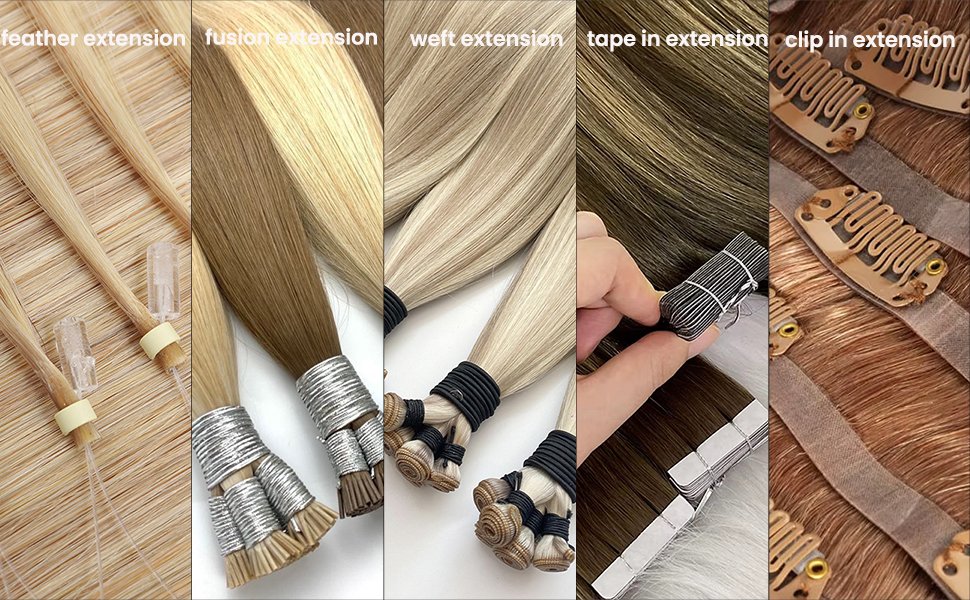
If you source hair extensions for wholesale or distribution, you need to understand that each type serves a different customer tier. The wrong choice does not just hurt sales. It creates returns, damages your brand, and wastes your cash flow on inventory that sits.
Hair Extensions: Understanding the Basics?
I talk to buyers every day who mix up product features with business fit. They see "100% human hair" and "6-month wear time" and think that makes a product suitable for their market.
Hair extensions are hair wefts or strands attached to natural hair using clips, adhesive, sewing, or bonding. The attachment method determines installation time, wear duration, reusability, and which customer type will buy them. Your business model depends on matching the attachment method to your downstream customer layer.

Most buyers start by comparing price per pack. But price only makes sense when you know reorder frequency. A salon buyer who needs tape-ins will not save money buying cheap clip-ins because the service model does not work. A retail buyer targeting DIY customers will lose margin on fusion extensions because installation cost blocks the sale.
I track buyer returns at our factory. About 30% of returns happen not because the product failed, but because the buyer's customer layer did not match the installation method. A distributor in Germany ordered weft extensions for a retail store. Customers walked in expecting ready-to-wear products. Weft extensions need sewing or bonding. The mismatch created returns.
Popular Hair Extension Types and Their Unique Features?
I see buyers list out product features and try to pick the "best" type. But there is no best type. There is only the type that fits your customer layer and reorder model.
The seven main types differ in attachment method, installation time, wear duration, and reusability. Clip-ins are temporary and DIY-friendly. Tape-ins and wefts need professional installation and support repeat service revenue. Fusion and micro-link last longest but cost the most to install. Feather extensions are niche.
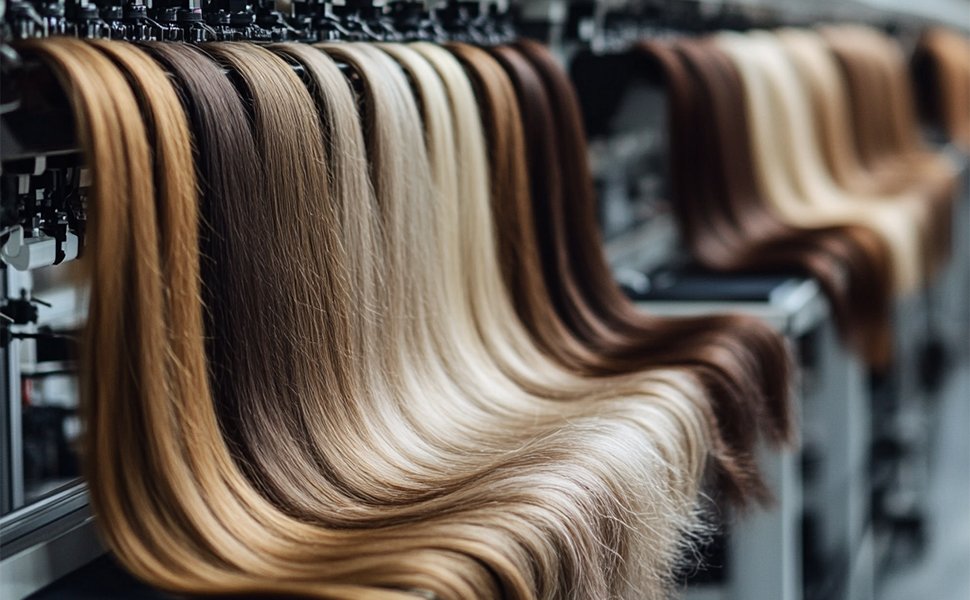
Here is how the cost structure works. Clip-ins cost the least to produce because they use simple clips. Tape-ins cost more because adhesive adds material cost and production steps. Weft extensions cost more because machine sewing or hand-tying takes time. Fusion extensions cost the most because keratin bonding requires quality control and higher material cost.
Buyers who expect fusion durability at clip-in pricing create problems for themselves. The production process cost is different. The wear time is different. The customer expectation is different. When you price compare across types, you compare products that serve different business models.
| Extension Type | Installation Method | Wear Duration | Reusability | Target Customer Layer |
|---|---|---|---|---|
| Clip-in | DIY, clips | 1 day per wear | High | Retail, DIY, occasional users |
| Tape-in | Professional, adhesive | 6-8 weeks | Medium | Salons, semi-permanent users |
| Weft | Professional, sewing/bonding | 2-3 months | Low to Medium | Salons, long-term users |
| Fusion/Keratin | Professional, heat bonding | 3-6 months | Low | High-end salons, luxury clients |
| Micro-link | Professional, beads | 2-3 months | Medium | Salons, chemical-free preference |
| Pre-bonded | Professional, heat or ultrasound | 3-4 months | Low | Salons, volume applications |
| Feather | Professional, micro-beads | 4-6 weeks | Low | Niche, fashion-forward clients |
I had a buyer in Florida ask me why tape-ins cost 40% more than clip-ins. I explained the adhesive cost and the production time. He said his customers want the same price. I asked him if his customers were salons or retail. He said salons. I told him salons will not pay clip-in prices because they are not selling a product, they are selling a service. The tape-in allows them to charge for installation and repeat visits. Clip-ins do not.
Clip-in Extensions?
I get more questions about clip-ins than any other type because buyers see the low MOQ and think it reduces risk. But risk is not just inventory cost. Risk is also mismatch cost.
Clip-in extensions use pressure clips to attach hair wefts temporarily. They are designed for daily removal and reuse. They fit retail and DIY customers who want flexibility and low commitment. They do not fit salon service models because they do not create repeat revenue.
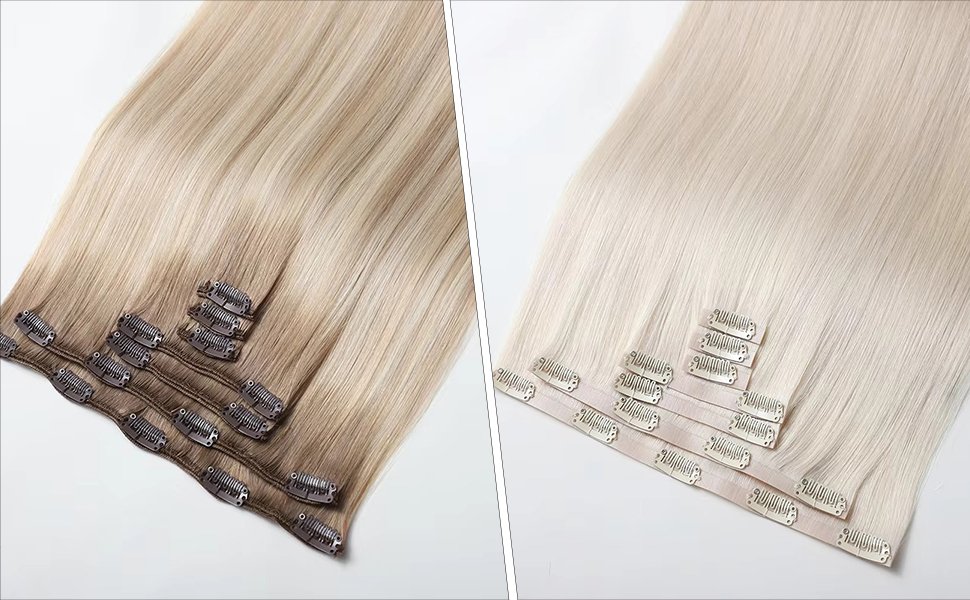
Clip-ins have the shortest installation time. Customers put them in themselves. There is no salon visit. There is no installation fee. This makes them attractive to retail buyers and distributors who want fast inventory turnover.
But the same feature creates a problem for buyers who target salons. Salons make money from services. Clip-ins are a one-time product sale. There is no installation service to charge for. There is no maintenance visit. There is no reorder tied to salon loyalty. I had a buyer in California order 1,000 packs of clip-ins and try to sell them to salons. Three months later he told me salons asked for tape-ins because clip-ins did not support their service pricing.
Clip-ins work best for buyers who serve retail stores, online shops, or end-users who want occasional volume and length. They do not work for buyers who need to support professional service revenue. If your downstream customer is a stylist or salon owner, clip-ins will not help them build client retention. You need to stock a product that creates repeat service.
The reorder model for clip-ins is different too. Customers buy once, wear for months, and may not reorder until the hair quality degrades. A salon customer on tape-ins reorders every 6-8 weeks because the adhesive wears out. Your cash flow depends on which reorder model your customer layer follows.
Tape-in Extensions?
I see buyers switch from clip-ins to tape-ins after they realize their salon clients need a service product. But switching products mid-season costs margin because you hold two inventories.
Tape-in extensions use medical-grade adhesive strips to attach hair wefts semi-permanently. They last 6-8 weeks and require professional removal and reinstallation. They fit salon buyers who want to build repeat service revenue and customer loyalty.
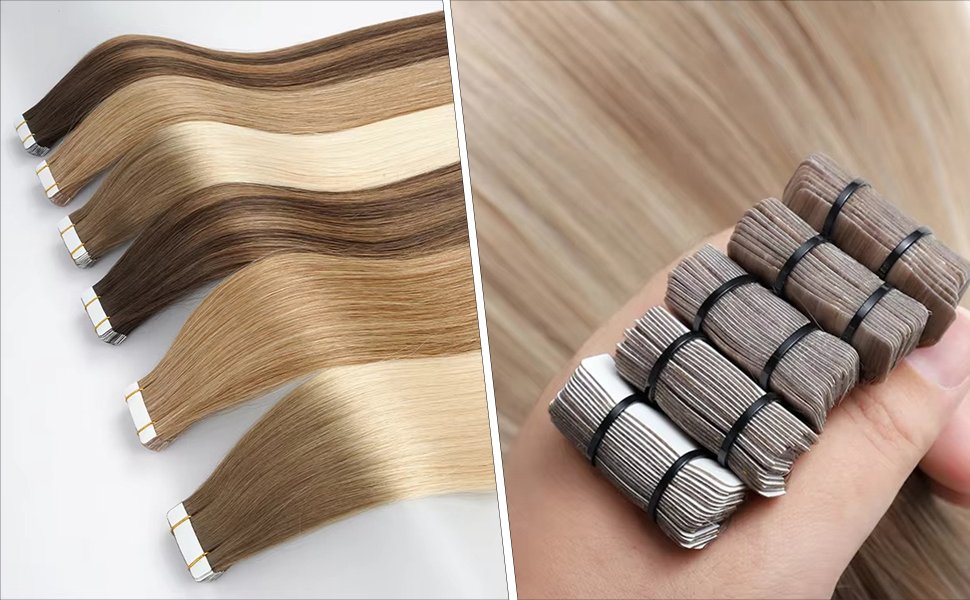
Tape-ins cost more than clip-ins because the adhesive adds material cost and requires quality control. The adhesive needs to hold for 6-8 weeks but release cleanly during removal. If the adhesive is too strong, it damages natural hair. If it is too weak, the extensions fall out early and create customer complaints.
I had a buyer in New York ask for the cheapest tape-ins we make. I asked him if his customers were salons. He said yes. I told him cheap adhesive will cost him more because salon clients will complain when extensions slip after three weeks. He ordered mid-tier tape-ins instead. Six months later he told me his salon clients reordered because the adhesive held well and removal was clean.
Tape-ins create a reorder cycle. Salons charge for initial installation, then charge again for removal and reinstallation every 6-8 weeks. The hair wefts can be reused once or twice if the hair quality is good. This makes tape-ins attractive to salon buyers who want to build long-term client relationships.
The installation time is longer than clip-ins but shorter than fusion. A full head takes about 1-2 hours. This fits the salon service model because installation time is billable. Clip-ins have no installation time, so salons cannot charge for application. Fusion takes 3-4 hours, which limits how many clients a salon can serve per day.
If you are sourcing for salon buyers, tape-ins are the baseline product. They support service revenue, they create reorders, and they fit most clients' budgets. But you need to manage inventory carefully because adhesive has a shelf life. Old adhesive loses hold strength. I recommend buyers order no more than 3 months of inventory at once.
Weft Hair Extensions?
I work with weft extensions every day because they make up the largest part of our production volume. But buyers often misunderstand what weft extensions are.
Weft hair extensions are hair strands sewn or bonded together at the top into a long strip. They require professional installation through sewing, bonding, or micro-link attachment. They fit salon buyers who serve long-term clients and want customizable application methods.
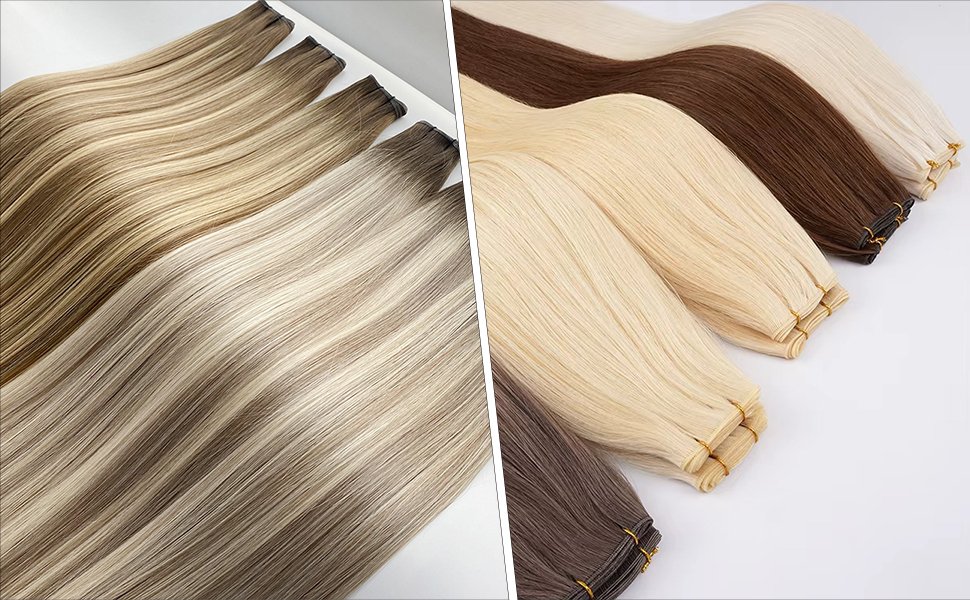
Weft extensions are not a single product type. They are a base product that can be applied in different ways. A salon can sew them into braided natural hair. A salon can bond them using adhesive or keratin. A salon can attach them using micro-link beads. The application method changes the wear duration and reorder frequency.
Most buyers ask me about machine weft versus hand-tied weft. Machine weft uses a sewing machine to bind the hair strands. The weft is thicker and more durable. Hand-tied weft uses manual knotting. The weft is thinner and lies flatter against the scalp. Machine weft costs less to produce. Hand-tied weft costs more but appeals to high-end salons.
I had a buyer in the UK order machine wefts and try to sell them to luxury salons. The salons wanted hand-tied wefts because their clients pay premium prices and expect the thinnest profile. The buyer had to discount the machine wefts to move inventory, then reorder hand-tied wefts. The mismatch cost him three months of cash flow.
Weft extensions create repeat revenue through maintenance visits. Salons charge for initial installation, then charge for tightening or moving the wefts up as natural hair grows. Depending on the application method, clients return every 6-8 weeks. This makes wefts attractive to salon buyers who want to build a service-based revenue model.
The challenge for buyers is minimum order quantity. Weft production runs require higher MOQ than clip-ins because the sewing process is batch-based. If you source wefts, you need enough downstream demand to move 50-100 bundles per color and length. Buyers who target small salons or boutique stores may find the MOQ too high.
Fusion/Keratin Hair Extensions?
I get fewer questions about fusion extensions because most buyers already know they are the premium option. But I still see buyers choose fusion when their customer layer does not support the price point.
Fusion extensions use keratin bonds to attach individual hair strands to natural hair using heat. They last 3-6 months and require professional installation and removal. They fit high-end salon buyers whose clients are willing to pay premium prices for long-lasting, seamless results.
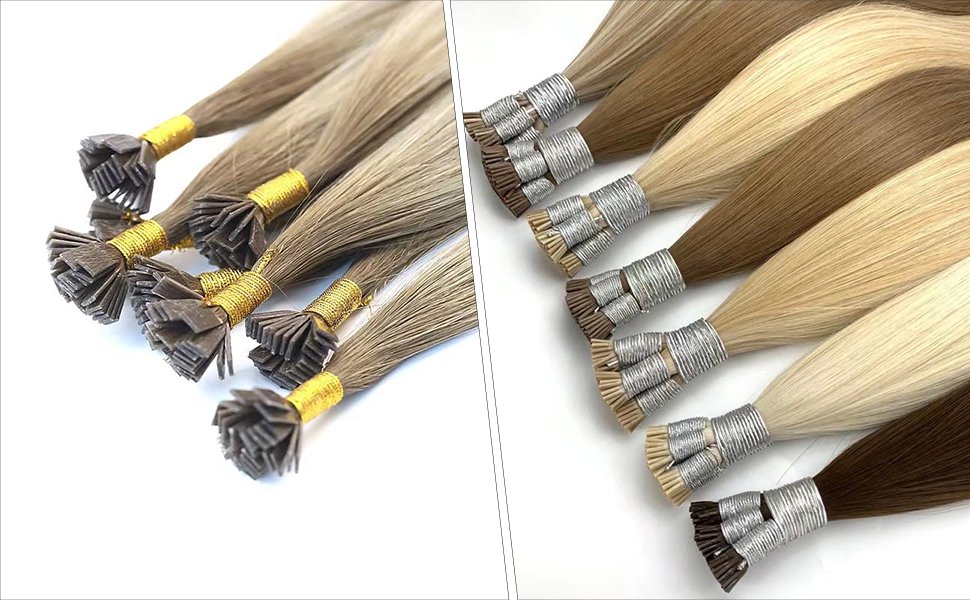
Fusion extensions cost the most to produce because keratin bonding requires quality control and manual labor. Each strand is pre-bonded with a keratin tip. During installation, a heat tool melts the keratin and fuses it to the natural hair. The process takes 3-4 hours for a full head. This limits how many clients a salon can serve per day.
The long wear time makes fusion extensions attractive to clients who want low maintenance. But the high installation cost creates a barrier. I had a buyer in Australia order fusion extensions and try to sell them through mid-tier salons. The salons told him their clients could not afford the installation fee. He switched to tape-ins because the lower installation cost fit his customer layer better.
Fusion extensions do not create the same reorder frequency as tape-ins or wefts. Clients wear them for 3-6 months, then remove them. The hair strands are not reusable. This means the reorder cycle is longer, and buyers need to plan inventory differently. If you are used to tape-in reorder cycles, fusion will change your cash flow model.
The removal process also matters. Fusion bonds need a keratin remover solution and professional removal. If the removal is done incorrectly, it can damage natural hair. This makes fusion extensions a fit only for experienced salons with trained stylists. If you source fusion extensions for buyers who serve less experienced salons, you will face complaints.
I recommend fusion extensions only for buyers whose downstream customers are high-end salons or stylists who serve clients with higher budgets. The installation time, cost, and expertise requirement create barriers that most mid-tier salons cannot overcome.
Feather Hair Extensions?
I almost never get questions about feather extensions because they are a niche product. But buyers who target fashion-forward customers sometimes ask.
Feather extensions are decorative feather strands attached to natural hair using micro-beads or keratin bonds. They last 4-6 weeks and appeal to customers who want a temporary fashion statement. They fit buyers who serve boutique salons or trend-focused retail stores.
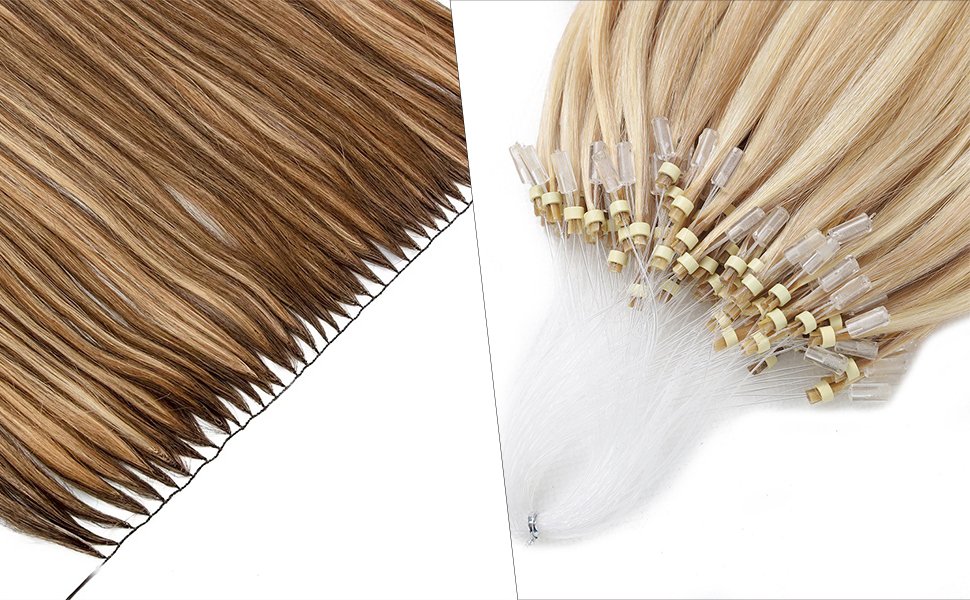
Feather extensions do not add volume or length. They add color and texture for visual effect. The target customer is different from traditional hair extension buyers. Salons that offer feather extensions usually serve younger clients or clients who want festival or event styling.
The production cost is low because feather extensions use less material. But the market demand is small. I had a buyer in Canada order feather extensions and try to sell them through general salons. The salons told him there was no demand. He eventually moved the inventory through a boutique store that served college students.
Feather extensions are a seasonal or trend-based product. Demand spikes during festival seasons or when a fashion trend highlights them. If you source feather extensions, you need a downstream customer who can respond quickly to trends. Buyers who serve traditional salons or wholesale distributors will find the demand inconsistent.
Which Type of Hair Extension Is Best?
I hear this question every week. Buyers want me to tell them which type sells best or which type has the highest margin. But the question is wrong.
The best hair extension type depends on your customer layer, their service model, and their reorder frequency. Clip-ins fit retail and DIY customers. Tape-ins and wefts fit salon buyers who need repeat service revenue. Fusion fits high-end salons with premium clients. Choosing the wrong type costs profit because the business model will not align.

I use a decision framework when buyers ask me what to source. I ask three questions. First, who is your downstream customer? Salon, retail store, or end-user? Second, what is their service model? Do they charge for installation and maintenance, or do they sell products directly? Third, what is their customer budget? Low, mid, or high?
If the downstream customer is a DIY end-user, clip-ins are the fit. If the downstream customer is a mid-tier salon, tape-ins or wefts are the fit. If the downstream customer is a high-end salon with trained stylists, fusion or hand-tied wefts are the fit. The product type is not about features. It is about business model alignment.
I had a buyer in Germany who sold clip-ins to retail stores for two years. He wanted to expand into salons. I told him he needed to add tape-ins or wefts because salons need a service product. He said tape-ins cost more and he was worried about inventory risk. I explained the reorder frequency difference. Salons reorder tape-ins every 6-8 weeks. Retail customers reorder clip-ins every 6-12 months. Higher product cost is offset by faster turnover. He tested tape-ins with three salons. Six months later he told me tape-ins now make up 60% of his revenue.
The wrong product type creates returns not because the quality failed, but because the business model did not fit. I see buyers order fusion extensions and target mid-tier salons, then face slow inventory turnover because the installation cost is too high. I see buyers order clip-ins and target salons, then face complaints because salons cannot charge for application.
Price sensitivity without understanding process cost leads buyers to expect fusion durability at clip-in pricing. The production cost is different. The wear time is different. The customer expectation is different. If you compare price across types, you are comparing products that serve different business models.
Conclusion
Choosing hair extension types is not about comparing